Japan is a country filled with captivating charm, where tradition and innovation coexist harmoniously. Its unique culture, stunning landscapes, cutting-edge technology, and spirit of hospitality make it an irresistible destination.
Japanese culture, deeply rooted in tradition, embraces both ancient practices like tea ceremonies, kimono, and traditional arts, as well as modern phenomena like anime, manga, and video games, which have gained global popularity.
The landscapes of Japan are equally mesmerizing, boasting beautiful natural scenery, historic landmarks, and modern cityscapes. Whether it's the breathtaking cherry blossoms in spring or the vibrant colors of autumn foliage, each season offers a unique spectacle.
Moreover, the warmth and kindness of the Japanese people are truly remarkable. Known for their politeness and hospitality, they warmly welcome visitors from around the world and make them feel at home.
And let's not forget about Japanese cuisine, renowned worldwide for its freshness, variety, and exquisite flavors. From sushi and sashimi to ramen and tempura, every dish is a culinary delight.
Japan's allure lies in its diversity and uniqueness, offering a wealth of experiences and discoveries for those who are drawn to it. Keep your admiration for Japan alive, and one day, you may have the opportunity to explore its wonders firsthand.
The kimono is a wonderful traditional Japanese garment.
History and Culture: Kimonos reflect the history and culture of Japan. From ancient times to the present day, kimono designs and materials have changed with various regions and eras. Kimono is a valuable item that allows you to inherit Japanese culture.
Materials: Kimonos are made primarily from materials such as silk and synthetic fibers. These materials have a luxurious luster and feel, and wearing a kimono allows you to enjoy superior comfort.
Delicate designs: Kimonos are decorated with delicate patterns and designs. They are made by handmade techniques such as handmade craftsmanship and embroidery, and are beautiful just to look at the kimono.
Sensation of wearing: Wearing a kimono gives you a special feeling. Kimonos have an image of elegance and refinement, and wearing a kimono gives you a sense of personal dignity. Wearing a kimono also allows you to feel a sense of culture and history.
Japanese kimono accessories include accessories and small articles necessary for wearing a kimono.
Obi (sash) : An obi is necessary to wear a kimono. The way the obi is tied and the obi clip can change the formality of the kimono and the atmosphere of the occasion.
Obiage : accessories used to tie the obi. The way the obi is tied and the design will affect the formality of the kimono and the atmosphere of the occasion.
Zori: Shoes required to wear a kimono, available in a variety of designs and materials to match the kimono.
Sensu (folding fan): a hand-held accessory used to keep the wearer cool and designed to match the kimono.
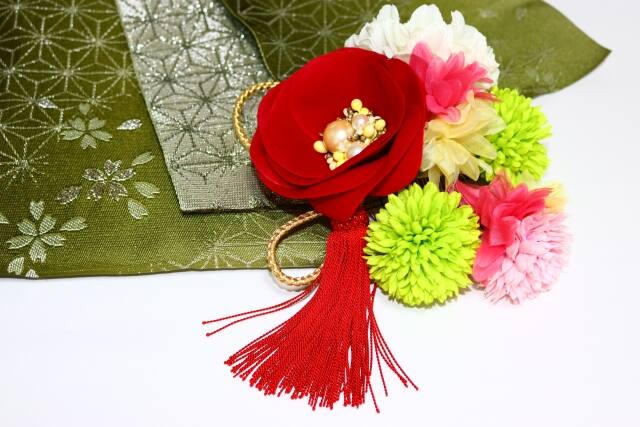
Hair ornaments (kamikazari): small accessories used to adorn the hair, available in a variety of designs and materials to match the kimono.
In addition to the above, rings, necklaces, earrings, etc. are also designed to match the kimono.
Japanese amulets come in a wide range of types and, for many, signify good luck and protection. Their characteristics include the following
Traditional meaning: Japanese amulets have long had traditional meanings. For example, the word "omamori" means "to protect," and it is believed that carrying an amulet will bring good luck and protection.
Symbols: Japanese amulets have many symbols. For example, some have patterns of bamboo, cherry blossoms, or carp, while others are inscribed with Feng Shui or Tarot symbols. These symbols have specific meanings and each is believed to have special powers.
Various Shapes: Japanese amulets come in a variety of shapes. Examples include handmade patterned teacups, small bells, and rings. They can be carried or worn and used for a variety of purposes.
High quality: Japanese amulets are made with high-quality materials and techniques. For example, those that are handmade or made using traditional techniques are of high quality and can be used for a long time.
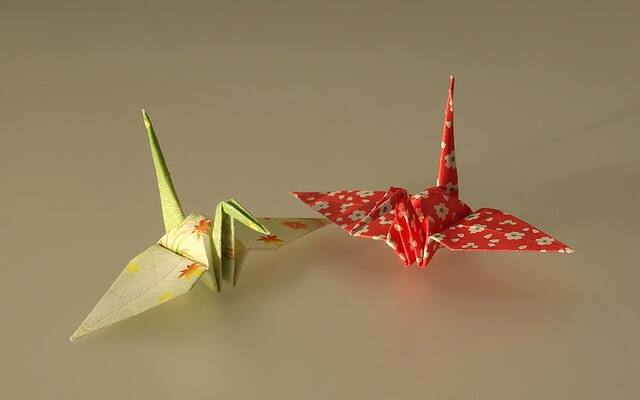
Origami is the handmade art of folding paper. In Japan, it is also called "origami," and in China and Korea, it is also called "folding paper. Origami can be used to make a variety of simple to complex designs, and can be enjoyed by children and adults of all ages. Learning how to fold origami is a great way to acquire folding techniques and to train the brain through origami. Origami is also an environmentally friendly and eco-friendly handmade art form made from paper.
Japanese crafts are characterized by traditional techniques and beautiful designs, and these are the wonderful things about them.
Traditional Techniques: Japanese crafts have long inherited traditional techniques. Lacquerware, ceramics, and dyed textiles are made using ancient techniques that require a high level of skill.
Materials: Japanese crafts are made from natural materials. Lacquerware is made of lacquer, pottery is made of clay, and bamboo products are made of bamboo, reflecting the power of nature.
Beautiful Designs: Japanese crafts are characterized by beautiful designs. Lacquerware, ceramics, bamboo products, etc. These materials are raised into beautiful shapes and designs by handmade techniques.
Manga is a Japanese picture book that depicts a story in manga form. Japanese manga is popular throughout the world and has had a tremendous impact on the entertainment industry, especially in manga, anime, and video games.
Japanese manga has a wide variety of genres and is aimed at a wide range of ages, from children to adults. Examples include romance, war, science fiction, horror, and sports. Manga also serves to introduce Japanese culture and is read by many foreigners.
Japanese figures are characterized by high quality modeling, attention to detail and precision, and a diverse lineup of genres.
High-quality modeling: Japanese figures are characterized by high-quality modeling. Sculptors are inspired by original illustrations, anime, games, and other forms of artwork and pay close attention to detail.
Precision: Japanese figures are characterized by precision craftsmanship. Sculptors are inspired by original illustrations, anime, games, etc., and pay close attention to detail.
Diverse Genres: Japanese figures are available in a wide variety of genres. Anime, games, manga, movies, live-action, idols, and many other diverse genres are available.
In addition, many Japanese figures are limited editions or have special specifications, making them popular among collectors.
Japanese cosplay is very popular worldwide. In particular, cosplay is becoming increasingly popular in regions where Japanese anime and manga are well-loved. In addition, Japanese cosplay is characterized by high quality and attention to detail, which appeals to fans around the world. Furthermore, cosplay allows people to communicate with each other and make friends and communities that transcend national borders.